
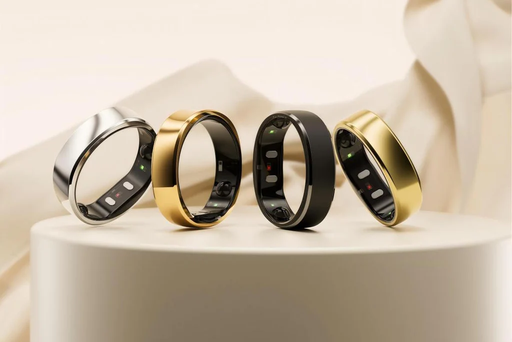
When someone buys a wearable like the UltraHuman smart ring, they aren’t really purchasing hardware. Consumers are purchasing a sense of control over their health.
In marketing terms, value comes from how strongly perceived benefits outweigh perceived costs. People who wear health trackers are usually trying to answer quiet questions about their bodies. The smart ring promises clarity, better decisions, and the feeling of knowing what is going on with your
body. That is what consumers are paying for.
I have personally experienced how quickly that value can rise or fall. When a device works, the data feels empowering and it becomes part of your daily rhythm. When it fails, even temporarily, frustration sets in and the perceived cost suddenly feels much higher than the price. The hardware did not change, but the experience did.

This is where communication becomes just as important as technology. If insights are clear, onboarding is simple, and support is responsive, customers stay engaged. UltraHuman invests heavily in this by surrounding their product with coaching, data interpretation, and ongoing communication rather than just selling a ring.
What people are really exchanging is not money for a device. It is anxiety and the unknown for certainty and clarity. The brands
that understand this build stronger relationships, higher loyalty, and better conversion overtime.

Leave a Reply